
The Dance: Writing the Scene Where Words Stop
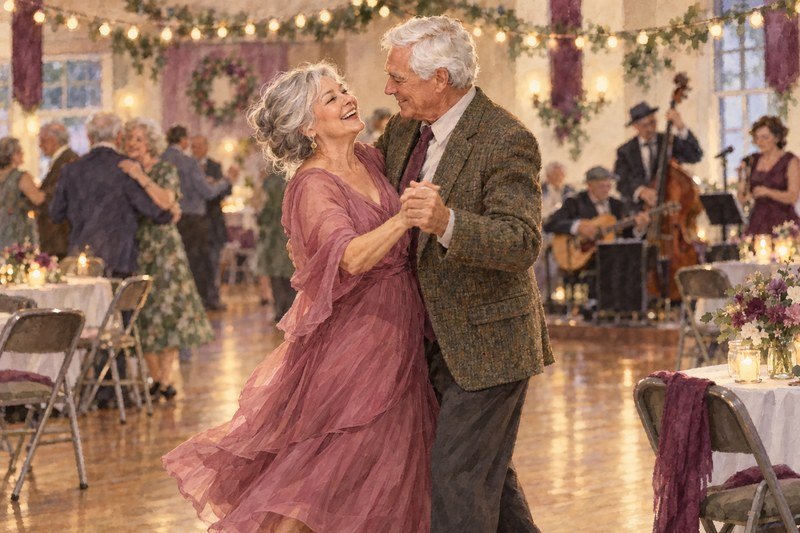
Long before romance novels had chapters full of clever banter, they had the dance. Two people, one song, and nowhere to hide. A dance scene is one of the oldest tools in our genre, and it still works because it lets everything be said without a single word. If your love story needs a turning point, consider giving your couple a dance floor.
Why the Dance Works
A dance forces closeness with permission. Your characters can hold each other in public, properly, while their hearts misbehave. It also gives you a built-in clock: the song will end. Whatever shifts between them must shift in three minutes, and that gentle deadline fills the scene with pressure a coffee date never could.
Write the Body, Not the Steps
Skip the choreography lesson. Your reader does not need to know a waltz from a foxtrot. What she needs is the hand that settles a little lower on a back, the palm that is warmer than expected, the moment two people who have been circling each other for six chapters finally move in the same direction at the same time. Write breath, balance, and the small adjustments two bodies make when they decide to trust each other.
Let the Room Fade
The classic dance-scene move still earns its keep: the crowded hall slowly goes quiet in your character’s awareness until there is only the music and the person in their arms. Use it sparingly and honestly. The world does not actually disappear – a granddaughter films them on her phone, the drummer misses a beat – and one small real detail keeps the magic grounded.
A Short Example
Picture Nell, sixty-six, at the community center’s spring dance, telling Walter she does not dance. Walter, sixty-nine, simply holds out his hand and says, “Neither do I. We’ll be terrible together.” And they are – a half-beat off, laughing by the second verse. But when the song slows, Nell stops counting her steps. That is the sentence your reader will remember: not that they danced well, but that she stopped counting.
After the Song Ends
Do not waste the ending. The moment the music stops is its own tiny scene: do they let go right away, or does the hold linger one breath too long? That single second can carry your love story into its next chapter. Give your couple a dance, and let their bodies say what their dialogue has been dancing around all along.